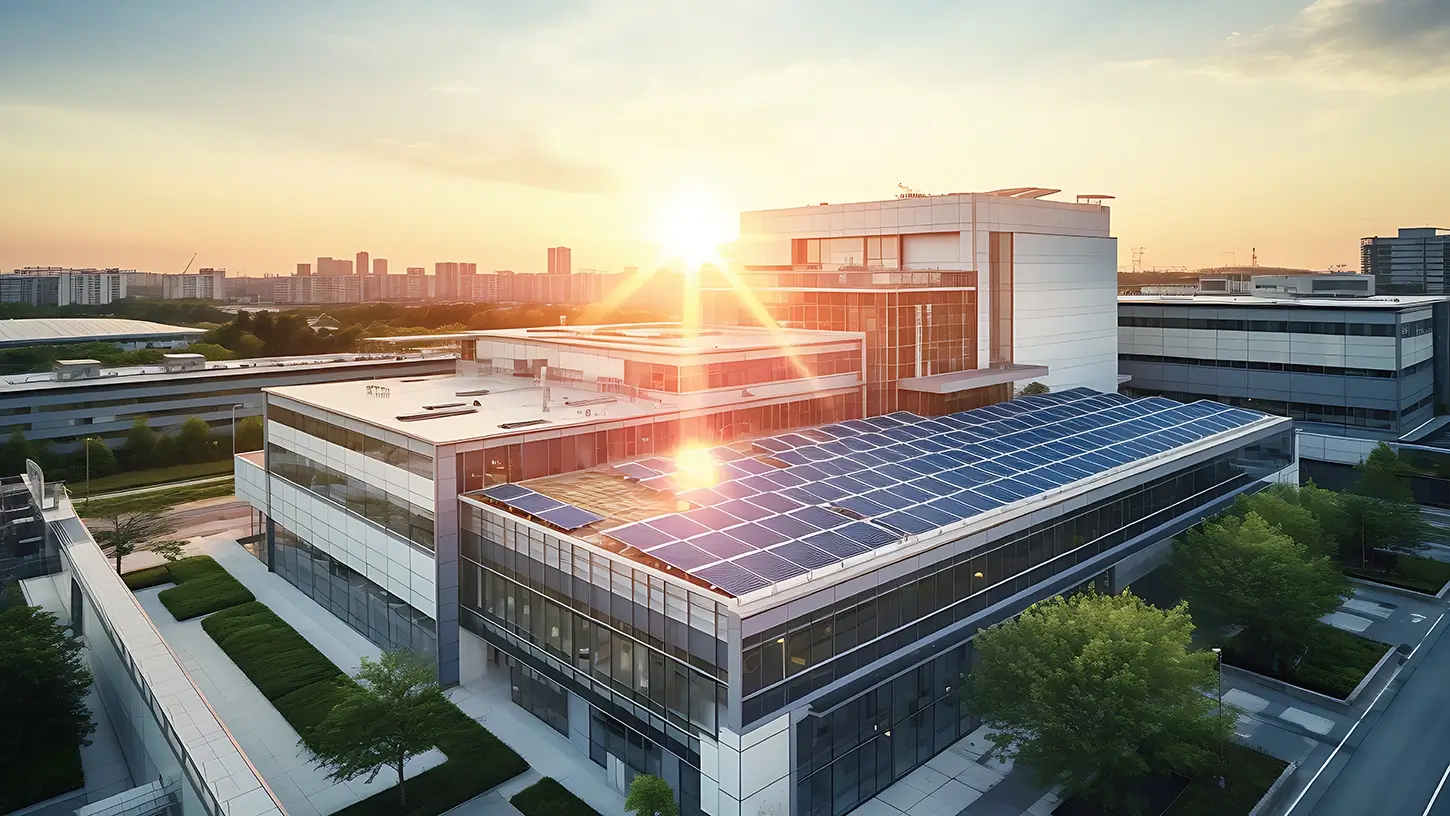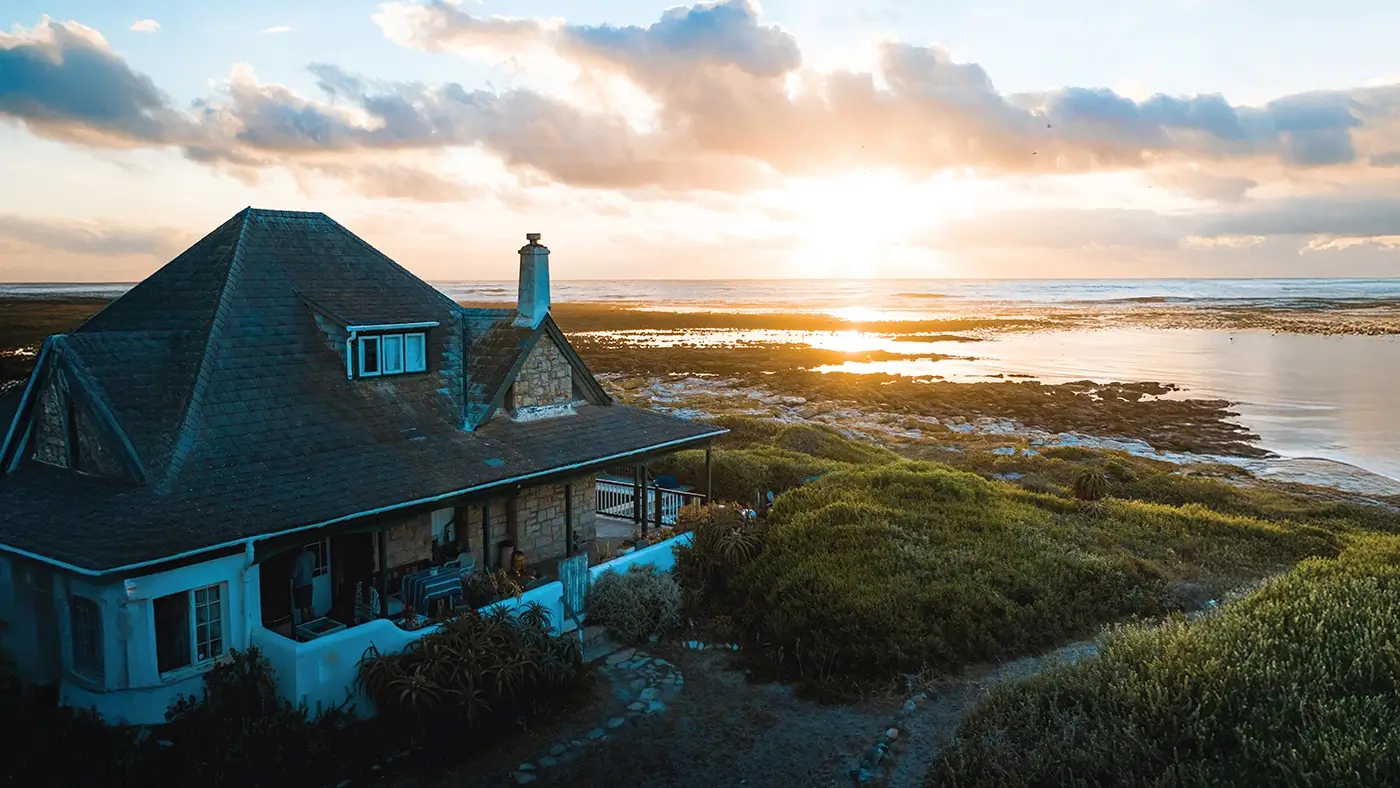


Energy is quickly becoming one of the most influential factors shaping property value and buyer demand in South Africa. With rising electricity tariffs, ongoing supply uncertainty, and a growing shift toward eco-conscious living, residential solar has moved beyond being a lifestyle upgrade to a strategic property investment.
While solar installations surged during the height of loadshedding, some homeowners now assume that improving grid stability means solar is no longer essential. In reality, its value has only increased, helping to protect asset value, improve returns, and future-proof residential property in an unpredictable market.
Debunking Two Solar Misconceptions
Myth 1: Solar is too expensive
One of the most common misconceptions around solar is cost. The truth is, residential solar isn’t a one-size-fits-all purchase. Pricing varies depending on the energy consumption of a household, the property size, your lifestyle needs, battery back-up requirements and future expansion plans.
Most quality systems are built to operate for 20 years or more, with components like batteries upgraded along the way. Over time, the savings become increasingly compelling, especially against the backdrop of rising municipal electricity tariffs.
Unlike cosmetic renovations, solar delivers measurable financial returns. Homeowners can reduce electricity bills by approximately 80% during hot summer months and 40% during winter, and in many cases, savings begin immediately through reduced reliance on the grid.
Myth 2: Solar should only be installed in summer
Another common hesitation is timing. Many homeowners assume solar is only worthwhile when sunshine is at its peak. However, the biggest financial benefit of solar comes from daily self-consumption, using solar power during daylight hours to reduce grid reliance year-round.
Winter can be an excellent time to install solar as installers are less pressured, lead times are often shorter and your systems are fully operational by summer’s peak generation season.
Solar’s Growing Impact on Property Value
The real estate market is already reflecting a shift in buyer and tenant priorities. Energy resilience is now a non-negotiable for many households, particularly eco-conscious buyers, remote and hybrid workers, home-based business owners and families prioritising stability and security.
Properties with solar installations are increasingly enjoying higher resale appeal, faster sales cycles, competitive rental advantage, and premium tenant demand. Buyers are comparing homes not only on aesthetics, but on monthly running costs and reliability.
For landlords and developers, this translates into stronger rental income and long-term asset performance.
Not All Solar Systems Deliver the Same Results
While demand for residential solar is rising, the quality of installation and system design makes all the difference.
Poorly designed systems, undersized components, or a lack of after-sales support can undermine the investment entirely.
Remember, a solar system is only as good as the thinking behind it. A well-designed system not only performs better but also protects the long-term value of the property.
Factors like proper load and usage analysis, high-quality, compliant components, certified installation and safety standards, long-term monitoring and maintenance planning and scalability for future expansion all play a big part.
At Inpower Energy, residential solar is increasingly part of a broader asset optimisation strategy. We work with multiple residential projects across Cape Town and surrounding areas, helping homeowners invest in systems that deliver immediate savings, long-term resilience, higher property desirability and future-ready energy. Independence
This reflects a global trend for more energy-efficient, self-sufficient homes that consistently outperform traditional properties over time. For South African property owners, solar is no longer a nice-to-have but a must-have.